About
Origin
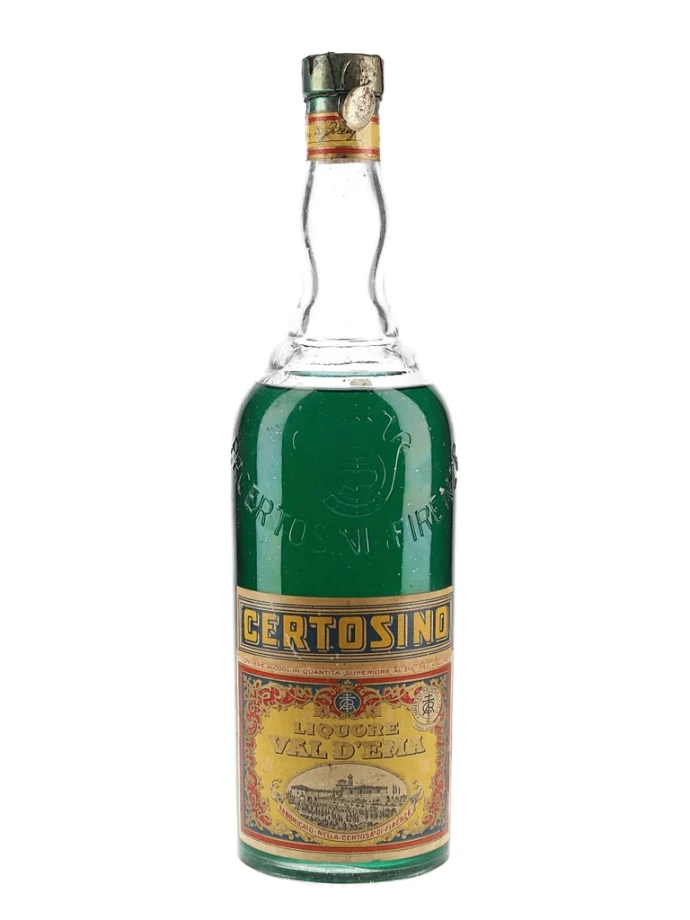
Certosino was first bottled for public sale in 1835 by the Certosini (Carthusian) monks of Florence Italy, the same order as the Chartreuse monks of France, however the recipe is much older.
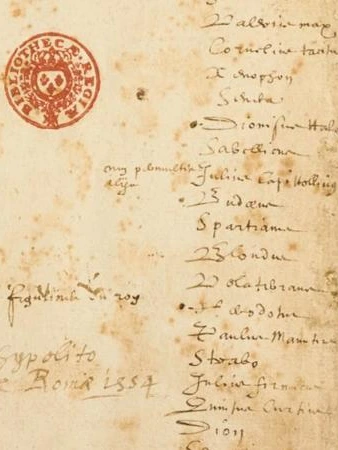
The famous Elixir Proprietatis, developed by Paracelsus in the middle 1500's, is the basis of the formula. The herbs and minerals are said to have been balanced in accordance with the cosmic energies of the constellations and planets to nourish the body and soul as well as mind.
Florence became a major center of scientific research during the sixteenth century due to the patronage of the Medici family. Most notably, the fonderia at Palazzo Vecchio was a major alchemical research facility and much of western herbalism originated there.
The Medici family were also major patrons of the Certosini, paying for the expansion of the Florence Charterhouse, who played an active role in the research and cultivation of plants for study.
Formula
After the Florence Charterhouse was sold in 1958 the monks entered into a production agreement with Binazzi Guido who operated at Via Senese 265 in Florence.
Today the exact recipe for Certosino - more than 130 herbs, spices and minerals - is a closely guarded secret maintained by the Pasano family of Pisa, Italy. The herbs used to make Certosino are sourced in a sustainable manner in the Tuscany region and old world methods are used in every aspect of sourcing and preparation.
Certosino is bottled in Northern Italy as well as the United States, using Italian herbs, in order to reduce environmental impact and facilitate broad access to this unique spirit.
Flavor
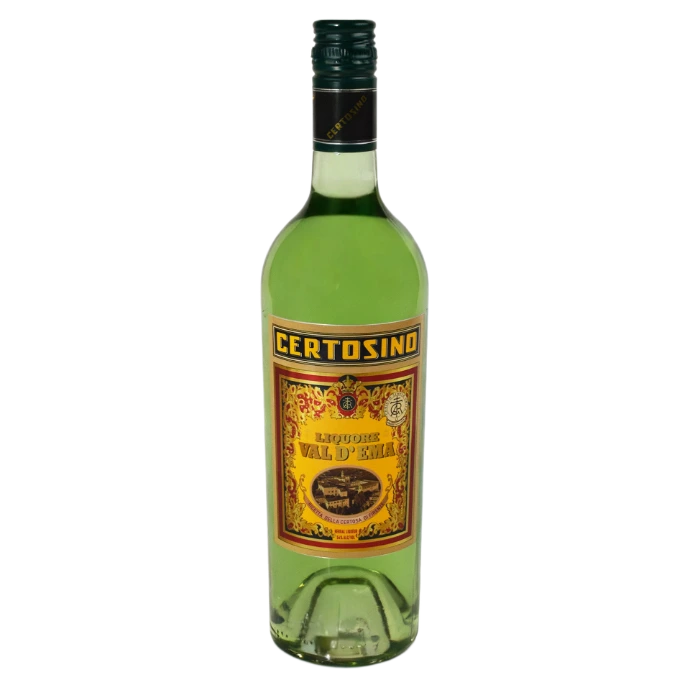
Certosino is robust in alpine herbaceousness and distinctive flair. Compared side by side, Chartreuse and Certosino share a similar intense herbal profile underpinned by a complex melange of spices, flowers and minerals.
Viscosity and finish are comparable in many respects and any differences are difficult to ascertain when used in a cocktail.
Certosino is a complex melange of herbs, spices, flora, and minerals - approximately 130 in total - underpinned by angelica, gentian, wormwood, orris, rhubarb, aloe, saffron, myrrh, orris, orange zest, anise, mace, cinnamon, cardamom, honey, rose pedals, and limousin oak cask.